
Refining Coordination
Coordination of precious-metals refining processes, connecting institutional clients with appropriate refining channels and managing documentation through each stage.
Coordinating a precious-metals refining pathway is a job of documentation and chain-of-custody, not of unsolicited offers or discounts. Kronix Metals coordinates institutional refining — connecting assayed, documented material to an appropriate licensed refining channel and governing the records through every stage, since 1992. We coordinate; we are not a refinery, we do not mine, and we are not GoldBod. Discuss a supply partnership — or request a proposal: +233 27 000 0844 (Togo / Lomé: +228 96 86 86 75). Institutional partners only.
What is Refining Coordination?
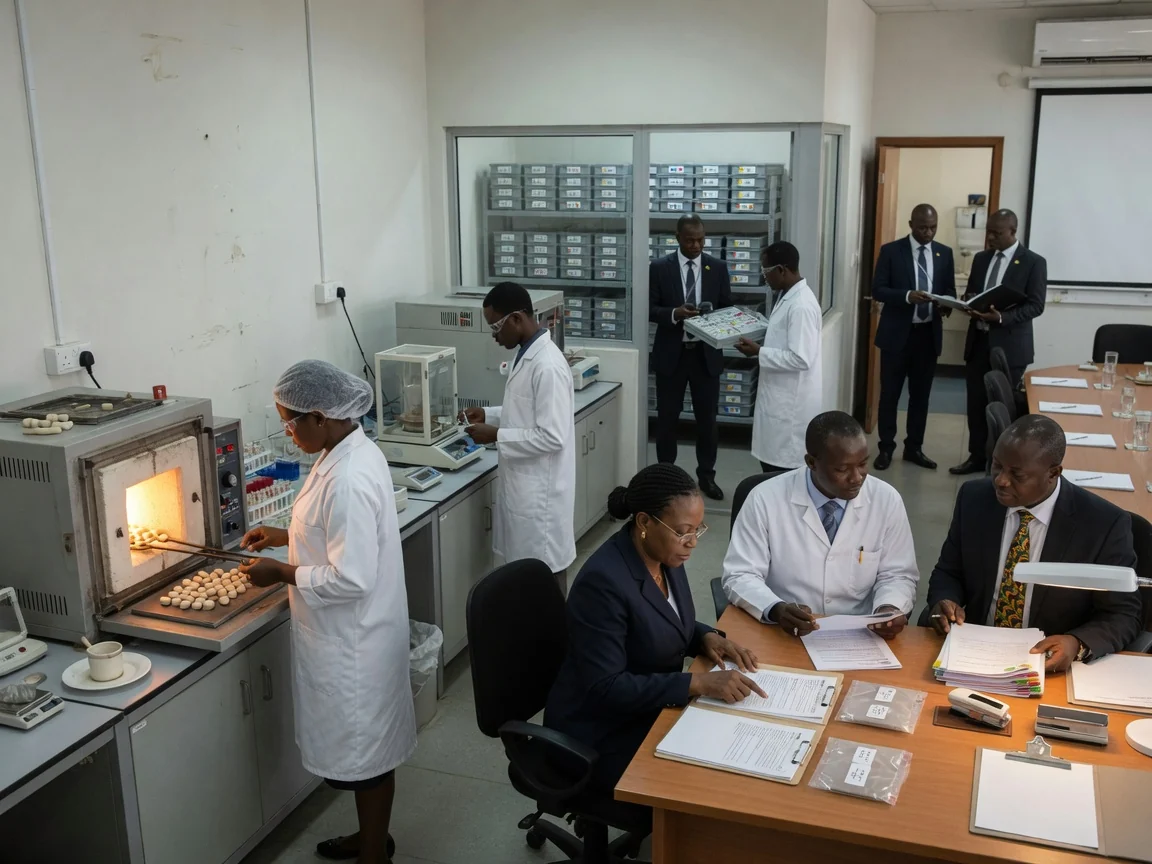
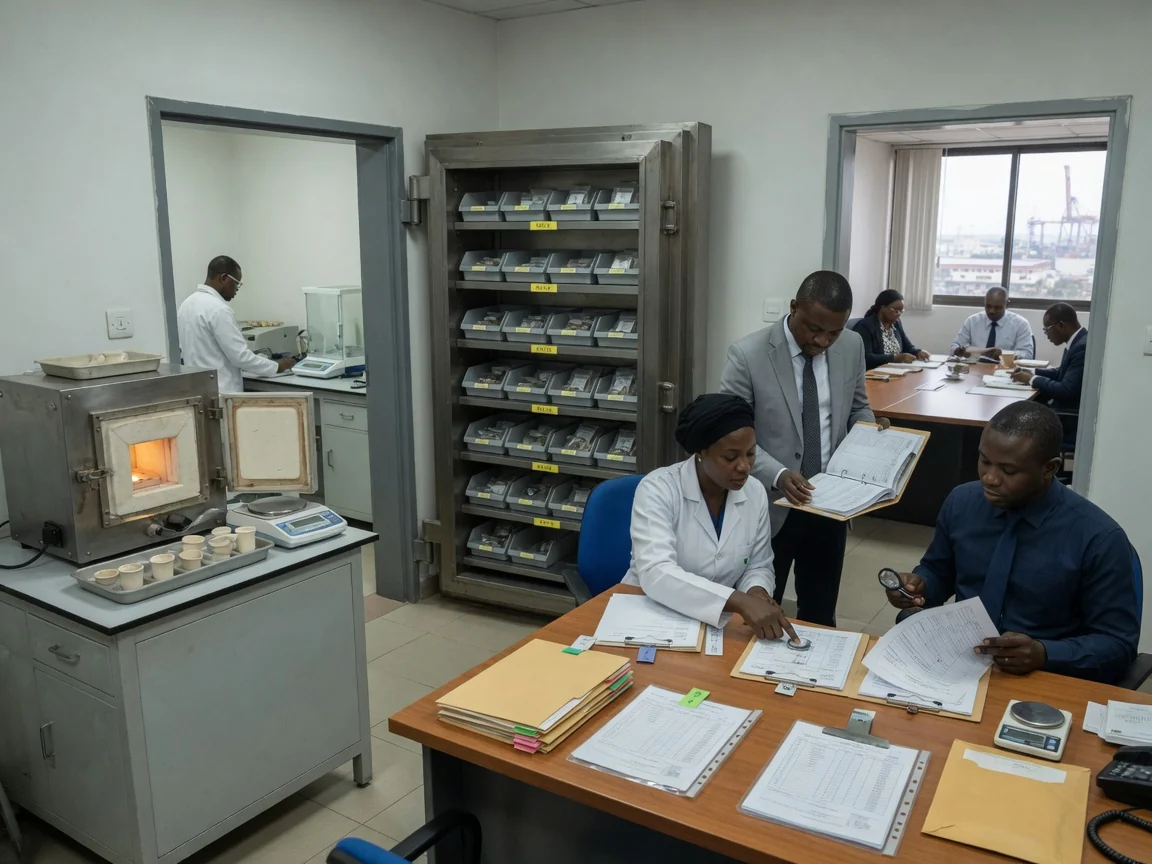
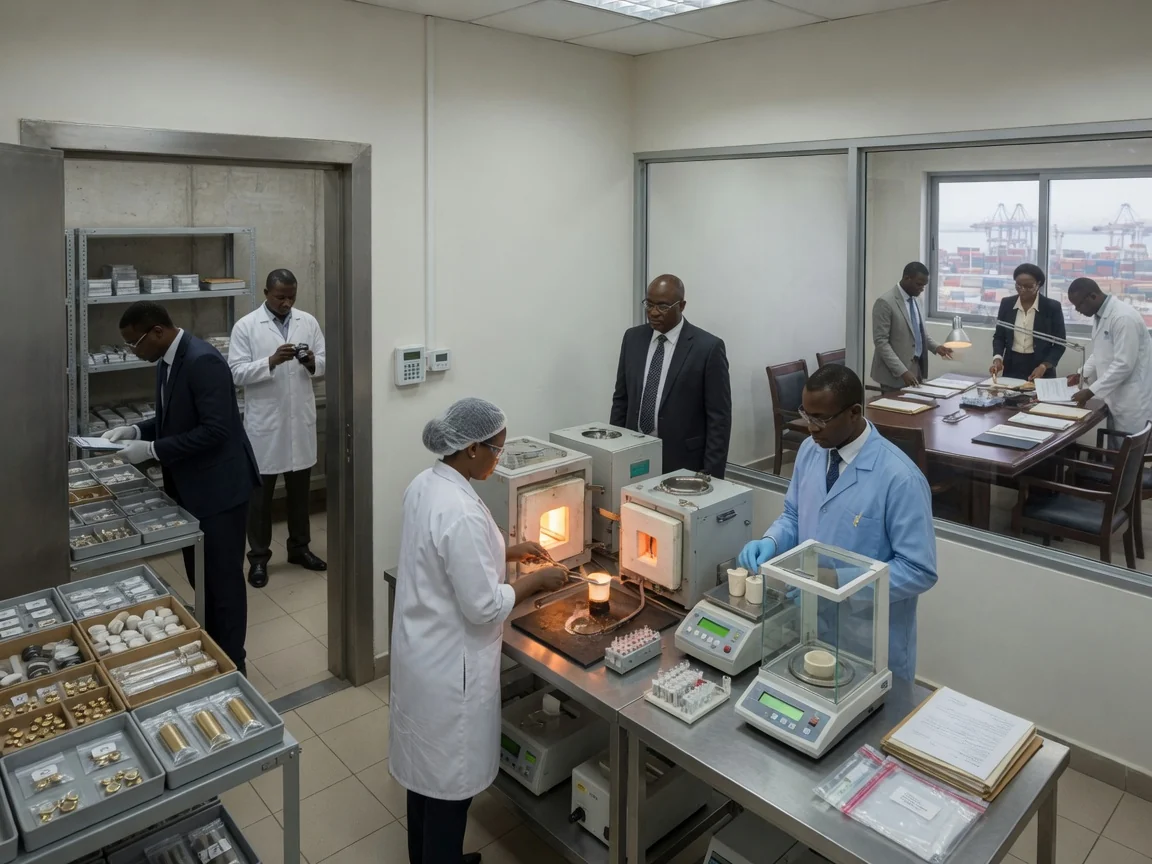
Refining coordination is the structured management of precious-metals refining pathways — connecting institutional clients holding raw or semi-processed material with appropriate refining channels, then governing the documentation, chain-of-custody records, and handover protocols through every stage of the process. It is not a passive referral function. It is an active discipline: mapping the condition and provenance of incoming material, selecting the refining route that matches institutional requirements, and ensuring that every transfer is recorded with the rigour that banks, investment mandates, and compliance frameworks demand.
Clients who specify refining coordination typically hold material that cannot simply move through informal channels — cooperatives requiring transparent settlement, institutional investors whose mandates require documented metal accountability, or banks and refineries operating under responsible-sourcing obligations. For these principals, the refining pathway itself is a compliance instrument, not merely a processing step.
When to Specify Refining Coordination
Refining coordination becomes essential when the institutional stakes of a refining transaction exceed what informal or unmanaged arrangements can sustain. Mining cooperatives operating across Ghana and Togo frequently encounter this threshold when they seek settlement through licensed commercial channels and require an intermediary capable of managing documentation to the standard banks and offtake counterparties expect. The gap between raw production and institutionally acceptable refined output is bridged by process discipline — and that discipline must be structured before metal moves.
The service is equally relevant to institutional investors receiving physical metal, to trading desks managing multiple material streams, and to corporate treasuries that need refining records aligned with audit requirements. Wherever chain-of-custody continuity and documented settlement are non-negotiable, refining coordination is the appropriate specification.
Methodology — The Kronix Metals Specialist Approach
-
Initial Material Assessment — Incoming material is evaluated for form, condition, and declared provenance. This assessment establishes the documentation baseline from which all subsequent records flow.
-
Responsible-Sourcing Review — Material provenance is reviewed against responsible-sourcing obligations. Documentation gaps are identified and addressed before any refining channel is engaged, protecting all parties in the transaction.
-
Refining Channel Selection — The appropriate refining route within Ghana or Togo is identified based on material type, institutional requirements, and the client’s settlement or reporting timeline.
-
Chain-of-Custody Documentation — Every handover across the refining pathway — from receipt to processed-metal release — is recorded with formal documentation that can withstand institutional audit and compliance review.
-
Settlement Coordination and Sign-Off — Final refined metal accountability is reconciled against the initial assessment record. Settlement documentation is prepared and delivered to the client in the format their institutional counterparties require.
Process Integrity & Standards
- Documented chain-of-custody at every material handover point
- Responsible-sourcing review prior to refining channel engagement
- Formal reconciliation between declared input weight and refined output records
- Compliance-ready documentation formatted for bank, refinery, and audit counterparties
- Operating scope confined to Ghana and Togo licensed refining corridors
- Provenance and handover records maintained throughout the full refining lifecycle
Outcomes for Institutional Clients
Clients who engage Kronix Metals for refining coordination receive a refining pathway that is governed, documented, and reconciled — not merely executed. The record of custody across every stage of the process is available to auditors, compliance officers, and institutional counterparties from the outset, rather than reconstructed after the fact. This baseline of documentation discipline protects settlement value, supports regulatory compliance, and provides the chain-of-custody continuity that distinguishes institutional-grade refining engagement from informal processing arrangements.
For principals operating under investment mandates or responsible-sourcing obligations, this discipline is not optional — it is the condition on which institutional participation in the precious-metals trade is built.
Markets We Genuinely Serve
We coordinate refining pathways for institutional principals supplying or receiving West African metal — refineries, banks, and investors in the United Kingdom and major European markets, across Africa, and through the Ghana–Togo (Lomé) corridor and Francophone West Africa — in English and French. We describe only the markets we actually serve; we are an institutional partner, not a retail seller.
Legitimacy & Compliance
- We operate within the Ghana Gold Board Act, 2025 (Act 1140) — under which GoldBod is the sole legal buyer, assayer, and exporter of ASM-sector gold, and which repealed the former PMMC arrangements. We work within that framework and coordinate with licensed refining channels — we do not claim to be a refinery, to be GoldBod, or to mine
- Responsible-sourcing review aligned to the OECD framework, documented chain-of-custody, and compliant export/customs structuring across the Lomé corridor — through documented channels only, never the undocumented routes the trade is sometimes associated with
- Refined output reconciled and valued against international spot, never below; no Ghana refinery is LBMA-accredited and we make no such claim for ourselves or any coordinated channel
- Institutional partners only — refineries, banks, investors, manufacturers, export houses; we do not sell or refine gold for the public
Related Sectors and Solutions
Refining coordination connects directly with the broader suite of services Kronix Metals provides across Ghana and Togo. Clients requiring upstream material handling will find alignment with Precious Metals Sourcing and Assaying Services, both of which establish the documentation and material-quality baselines that refining coordination depends upon. Trade facilitation and institutional settlement support further extend the chain-of-custody discipline that this service anchors.
Related Services
- Secure Logistics & Vaulting — documented custody, bonded transit & vaulting
- Assaying & Quality Verification — certified fineness before refining
- Precious Metals Sourcing — documented, GoldBod-compliant supply
- Due Diligence & Chain of Custody — OECD-aligned provenance
- Export Documentation & Compliance — the Lomé corridor, documented